
Quality problems in sandwich panels rarely appear at the factory gate. They surface later, on site, as delamination, poor fit or failed fire performance. Pre-shipment testing exists to catch those problems before the panels leave the plant. This article walks through the tests that matter most for QA and inspection teams.
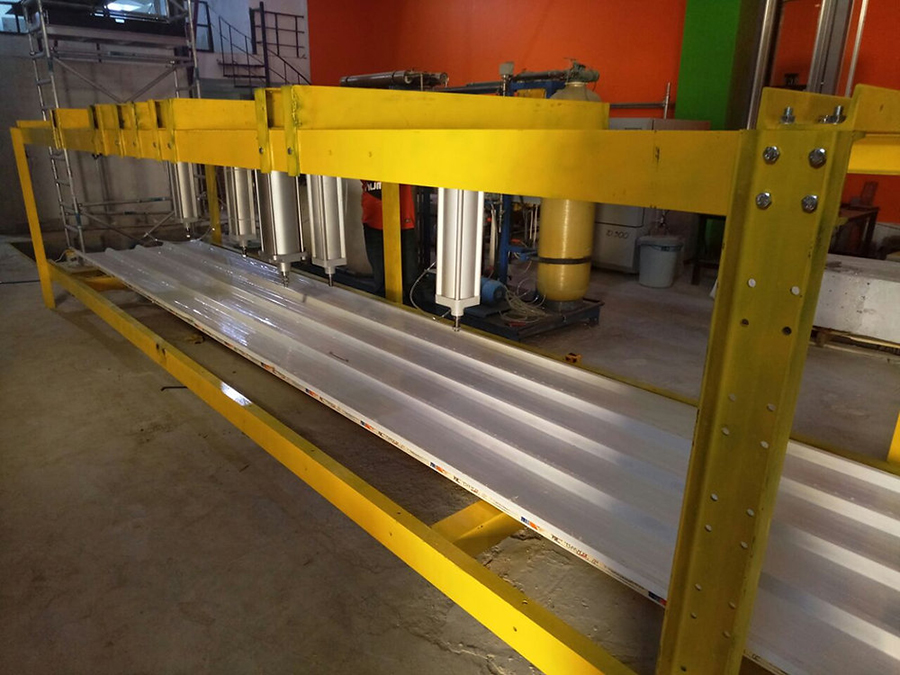
Mechanical Properties: Testing the Bond and Core Strength
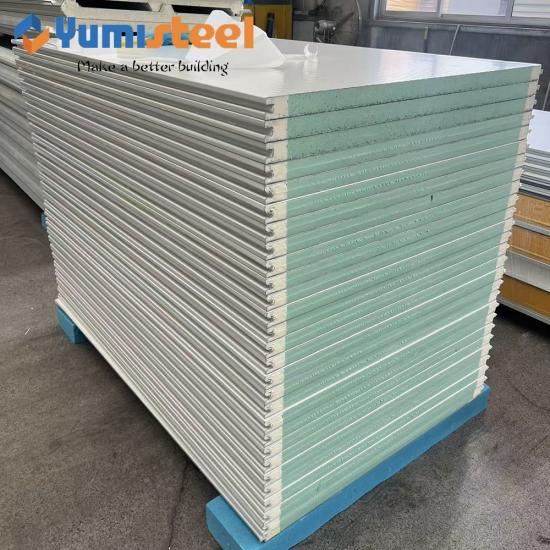
The most critical pre-shipment tests focus on how well the panel holds together. Cross-panel tensile strength measures the bond between the metal skin and the insulating core, with typical thresholds around 0.07 to 0.08 MPa depending on the standard applied . Compressive strength of the core is tested at 10% deflection, with requirements often set at 0.10 to 0.12 MPa or higher . Shear strength and shear modulus are also verified, as these properties determine how the panel performs under structural loads. These tests are usually conducted on samples cut from production batches at defined frequencies, sometimes as often as once per week .
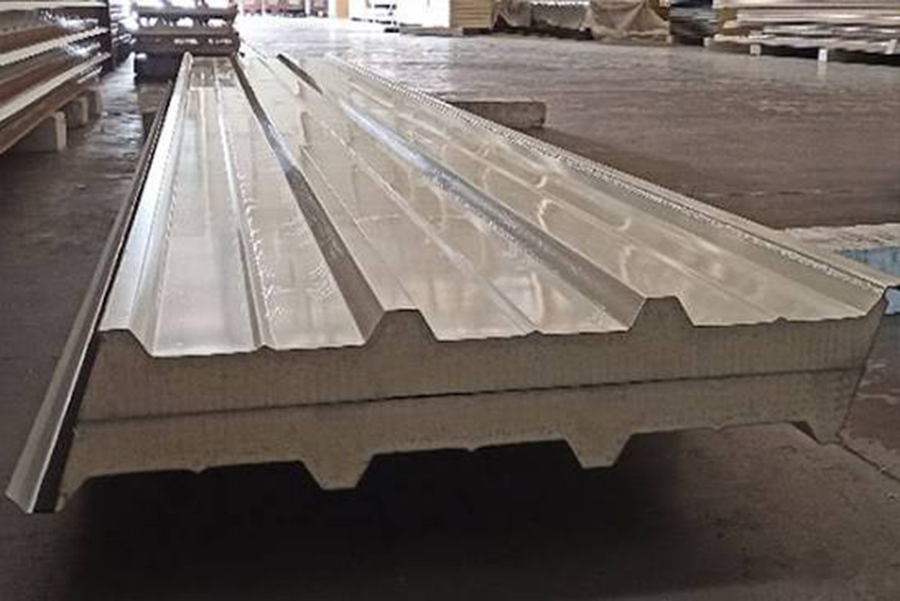
Dimensional and Visual Checks: Confirming Fit and Finish
Before shipment, every panel should pass a dimensional inspection to ensure it will fit on site. Length and width tolerances are typically measured against standards such as DIN EN 822, with allowable deviations often around plus or minus 2 mm per meter . Thickness tolerance is checked with similar precision. Visual inspection covers surface defects that could affect appearance or durability, including scratches, dents, coating bubbles, color uniformity, and edge damage . The cut edges are examined for exposed or damaged core material and for straightness, since poor edge quality complicates installation and sealing.
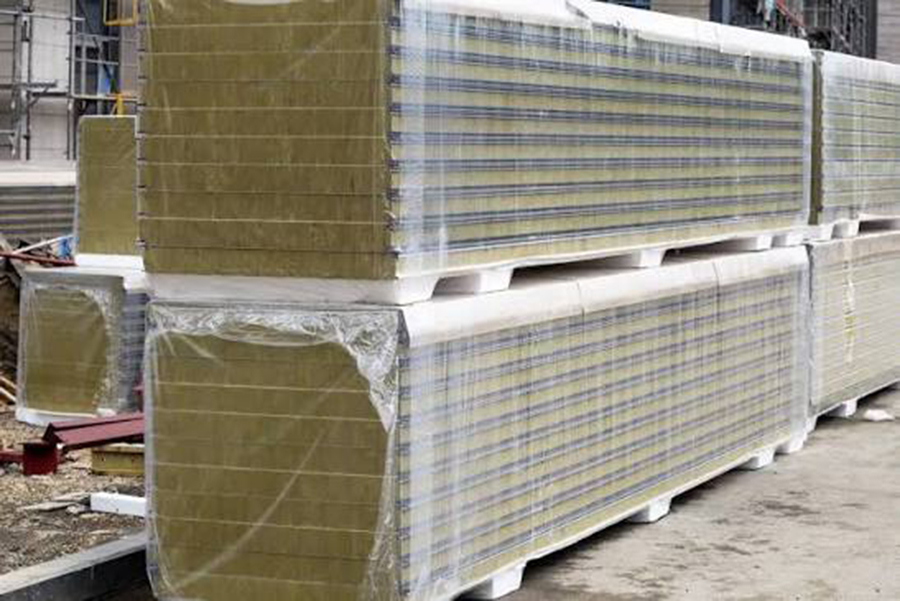
Fire and Thermal Performance: Verifying Core Properties
The insulating core determines both fire behavior and thermal efficiency, so pre-shipment tests often include core-specific checks. Foam density is measured to confirm it falls within the specified range, such as 39 to 40 kg/m³ for certain polyurethane cores . Closed cell content should be at least 90% for foam cores, as this directly affects thermal conductivity and moisture resistance . Thermal conductivity is verified against the declared value. For fire performance, the reaction to fire classification is typically established through type testing rather than batch testing, but manufacturers must hold valid classification reports and maintain factory production control according to the relevant standard .
Pre-shipment testing for sandwich panels covers three fronts: mechanical strength, dimensional accuracy and core performance. Each test protects a different part of the project, from structural safety to installation speed to fire compliance. When inspection teams apply these checks consistently, defects are caught at the source and the panels that arrive on site match what was ordered.
For more information needed or any inquiry,please feel free to contact Yumisteel team.
years of experience



 online service
 +86-592-6095031
 manager@yumisteel.com
 Alina_Yuki
 +8613559086380+8615860744964
 English
 русский
 español
 português
 日本語