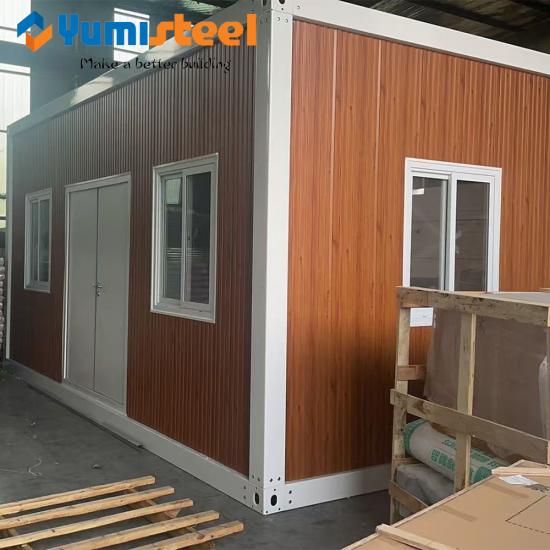

Energy costs are one of the largest ongoing expenses for industrial facilities, and much of that energy is lost through the building envelope. Insulated panels offer a practical way to reduce that waste. This article explains how they work and what they can save.

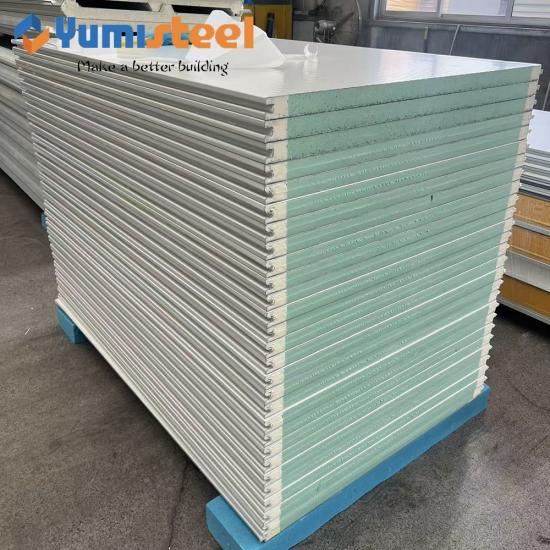
The energy efficiency advantage of insulated panels comes from their composite sandwich structure. Two rigid metal skins enclose a hard foam core such as polyurethane or mineral wool. This design merges the insulation layer with the building envelope, eliminating the gaps and thermal bridges common in traditional multi-layer construction. The foam core has a very low thermal conductivity, delivering an R-value of roughly R-7 or higher per inch of thickness, nearly double that of materials like mineral wool. At the same thickness, an insulated panel blocks heat transfer more effectively, keeping heat inside during winter and outside heat out during summer.
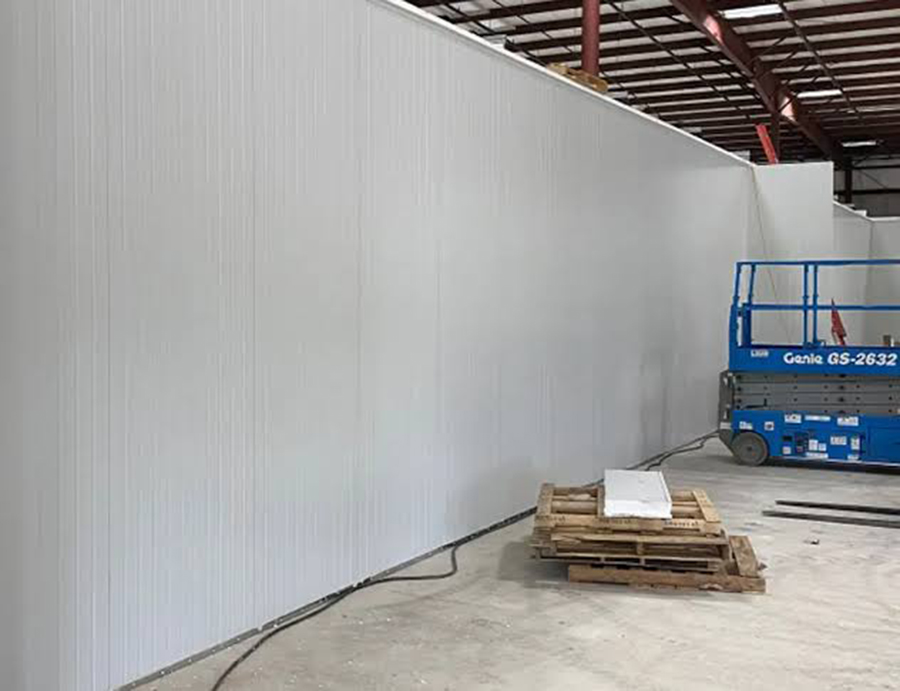
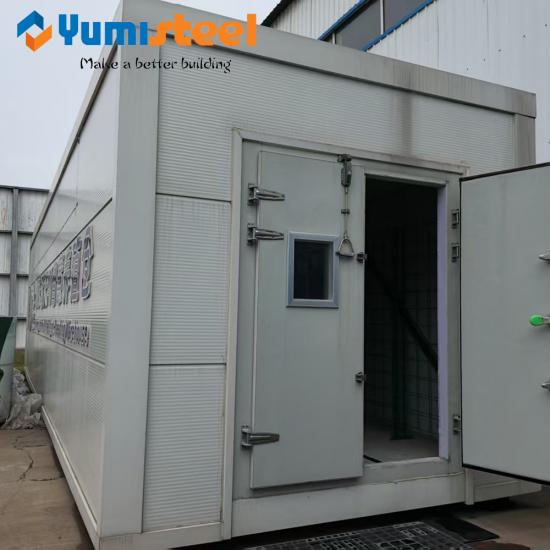
Energy loss in industrial buildings is not only about conduction. Air leakage accounts for a striking share of the waste. Insulated panels use concealed fasteners and interlocking tongue-and-groove joints. The panel seams fit tightly together and form a continuous air barrier and vapor barrier on their own. This removes the need for a separate membrane and greatly reduces the risk of leaks caused by poor joint sealing. For facilities that require strict temperature and humidity control, such as cold storage or food processing plants, this integrated sealing performance is especially important. It ensures that the energy produced by heating or cooling equipment actually stays inside rather than escaping through wall gaps.
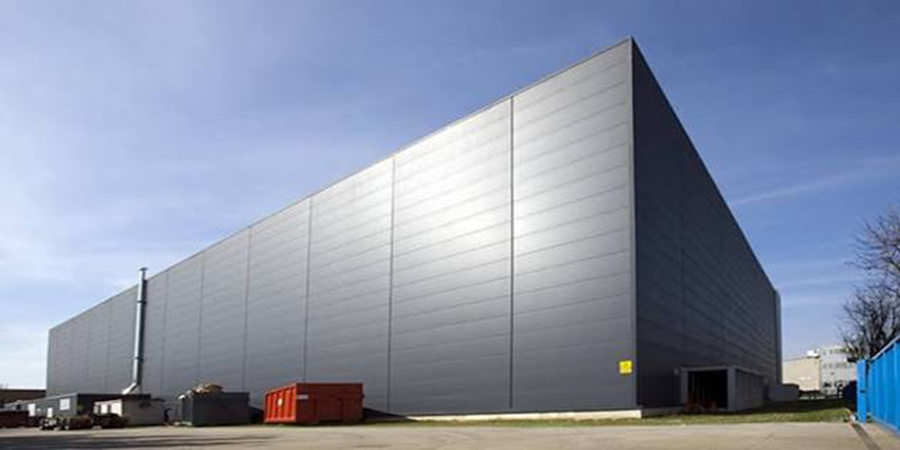
Theoretical advantages must eventually show up in operating costs. According to real project data, steel-framed industrial facilities using high-quality insulated panels can cut annual energy consumption by roughly 20 to 40 percent. The exact figure depends on panel thickness, building orientation and local climate. More importantly, insulated panels are usually installed as a wall or roof system in one pass. This shortens the construction schedule while guaranteeing continuity of the insulation layer. There is no risk of insulation being compressed, dampened or omitted because of overlapping trades. For distribution centers or manufacturing plants that often cover tens of thousands of square meters, this 20 percent or greater reduction accumulates into a substantial cost saving over the decades-long life of the building.
Insulated panels deliver efficiency through their composite structure, tight joints and durable construction. For owners and facility managers, the result is lower energy bills, fewer leaks and a faster build. The savings grow every year the building stays in service.
For more information needed or any inquiry,please feel free to contact Yumisteel team.
years of experience



 online service
 +86-592-6095031
 manager@yumisteel.com
 Alina_Yuki
 +8613559086380+8615860744964
 English
 русский
 español
 português
 日本語