
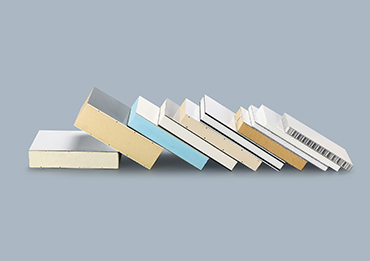
Ordering sandwich panels without complete specifications often leads to costly delays, wrong deliveries, or panels that fail to meet your project requirements. To get an accurate quote and a smooth production process, you need to provide your supplier with clear technical details upfront. Core Speci...
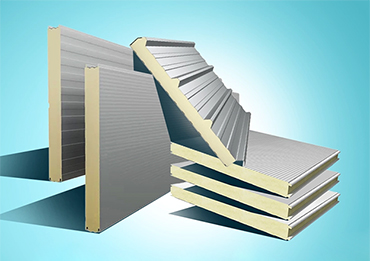
Insulated metal panels (IMPs) are a significant investment that affects a building's energy performance, fire safety, and long-term durability. Choosing the wrong panel system can lead to costly change orders, insurance complications, and performance failures. Here are the ten factors you should eva...
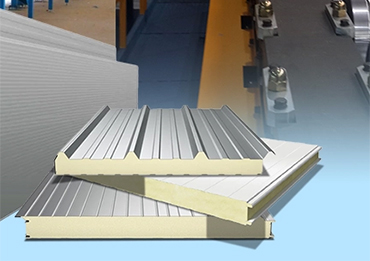
Choosing the right sandwich panel manufacturer is critical to the success of your construction project. Whether you are building a cold storage facility, a prefab warehouse, or a cleanroom, the quality of your panels directly affects insulation performance, fire safety, and long-term durability. Her...
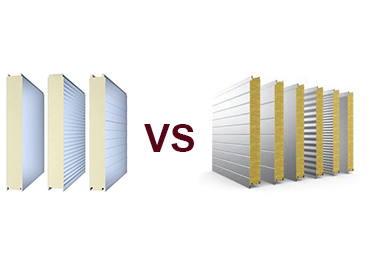
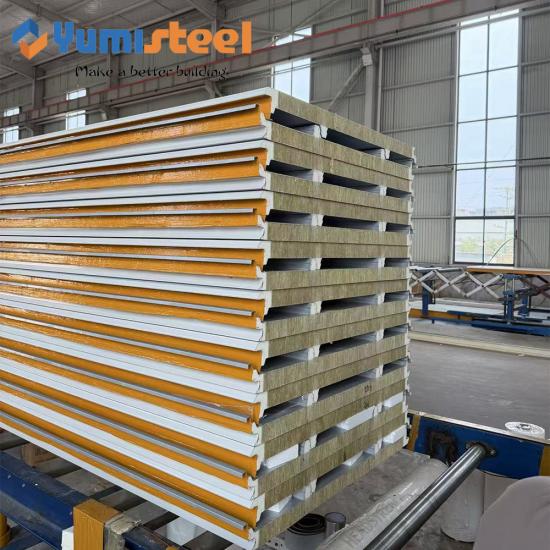
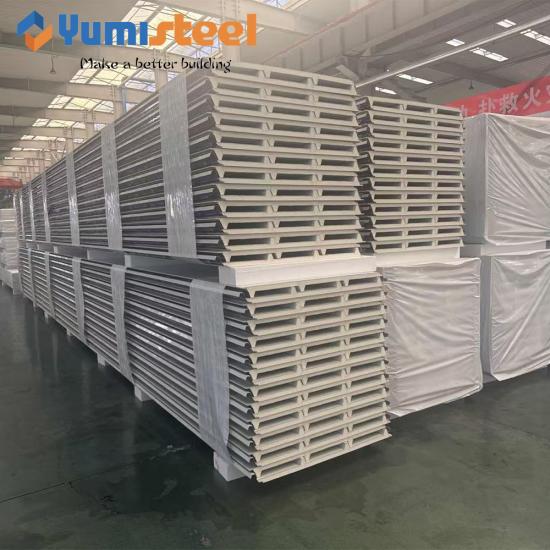
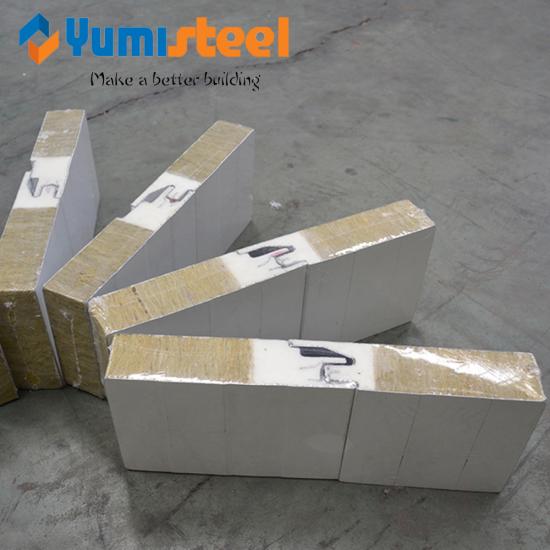
When selecting insulation panels for warehouses, cold storage, factories, or commercial buildings, two options often come up: PU sandwich panels and rock wool sandwich panels. Both offer solid performance, but they differ in insulation, fire resistance, cost, and typical applications. This article c...
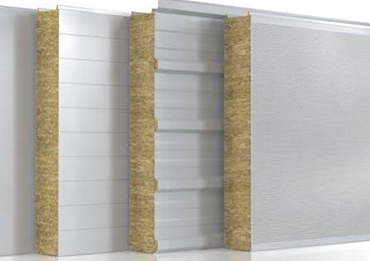
Choosing the right sandwich panels for industrial buildings is a decision that affects energy costs, fire safety, construction time, and long-term durability. With so many options on the market, it helps to focus on a few key factors before placing your order. 1. Understand the Core Material The cor...
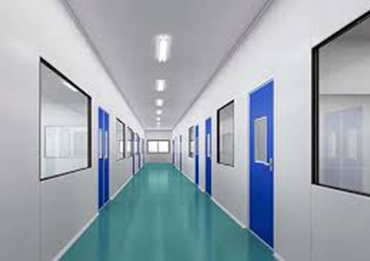
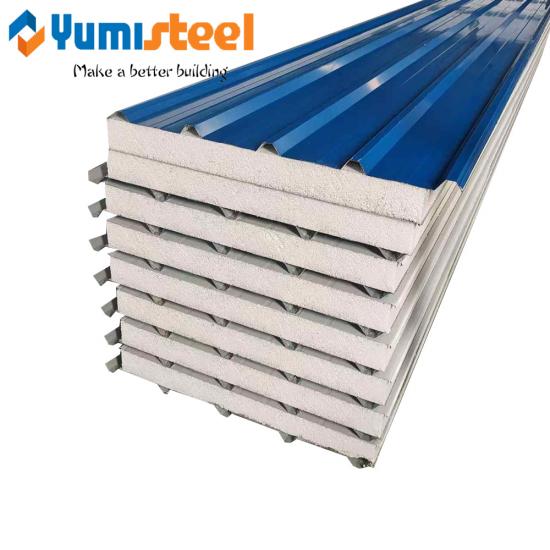
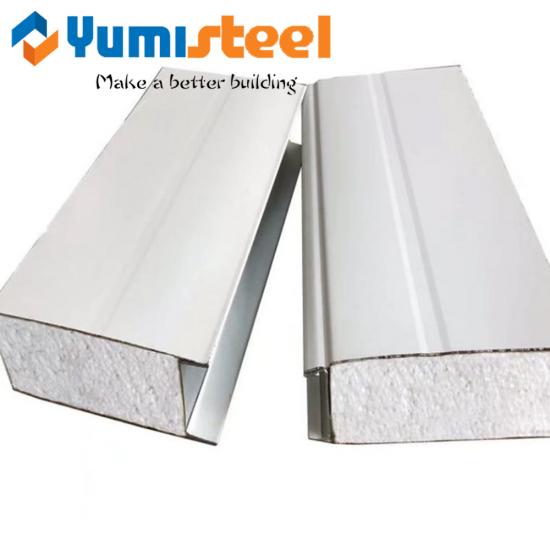
Modern construction demands speed, safety, and sustainability. High-quality wall panel systems deliver structural stability, thermal insulation, fire resistance, and energy efficiency. Sandwich PUF panels offer strength and lightweight design. Yumisteel supplies advanced panel systems for industrial...
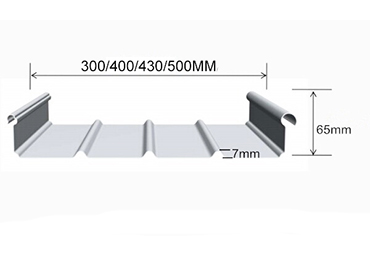
Product Introduction The 65-300/400/430/500mm corrugated steel sheet is a versatile, high-performance roofing and wall panel distinguished by its 65mm rib height and modular widths of 300mm, 400mm, 430mm, and 500mm . This profile, often designated as YX65-300/400/430/500, is a type of standing seam ...
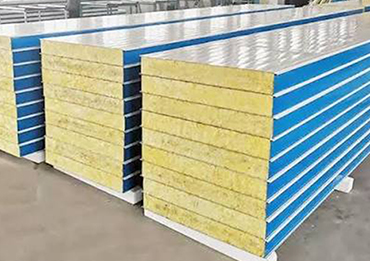
What Are Waterproof Sandwich Panels? Waterproof sandwich panels are composite building elements with a rigid core material, such as PIR, rock wool, or EPS, bonded between two protective metal facings. While their thermal insulation properties are widely recognised, their waterproof function is equal...
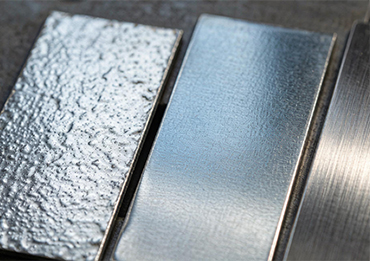
Many people focus on the "core material" when choosing a cleanroom panel, but overlook the surface steel plate, which is exposed to water, chemicals, and corrosion every day. Whether the panel is rusty or still shiny after three years depends half on the surface steel plate. What are the differences...
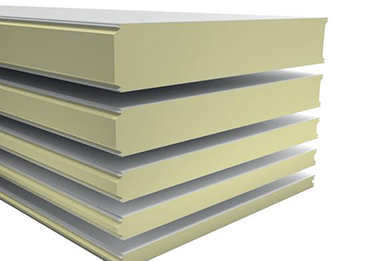
Cold room insulation panels and prefabricated roof systems are engineered building components designed to create highly efficient thermal envelopes for temperature controlled facilities. Cold room insulation panels typically consist of a rigid foam core, such as polyurethane or PIR, sandwiched betwe...
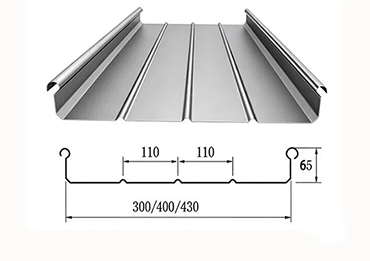
Product Introduction The YX65-430 Al-Mg-Mn Standing Seam Sheet is a premium metal roofing solution made from 3004 aluminum-magnesium-manganese alloy. With a 65mm high rib and 430mm effective coverage, it is a globally recognized standard profile for high-end architectural projects. Superior Performa...
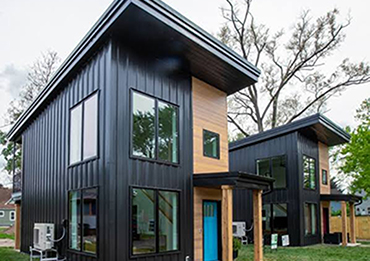
Whether you are designing a warehouse, workshop, or agricultural facility, selecting the right building materials will determine the project's long-term value. Colored metal roof panels, metal shed panels, and metal sheet wall panels are all crucial components that combine structural strength with m...
years of experience



 online service
 +86-592-6095031
 manager@yumisteel.com
 Alina_Yuki
 +8613559086380+8615860744964
 English
 русский
 español
 português
 日本語
日本語