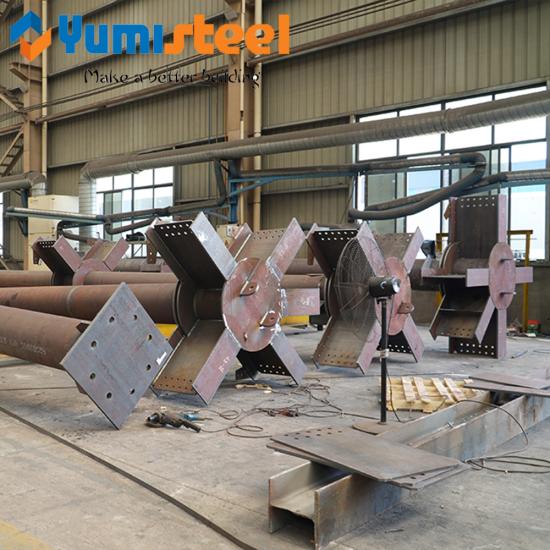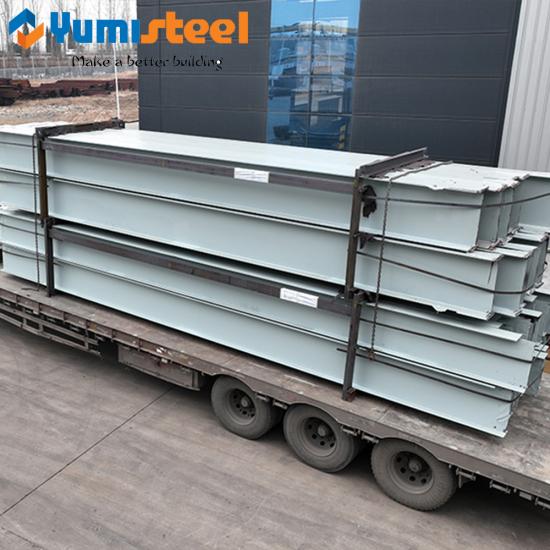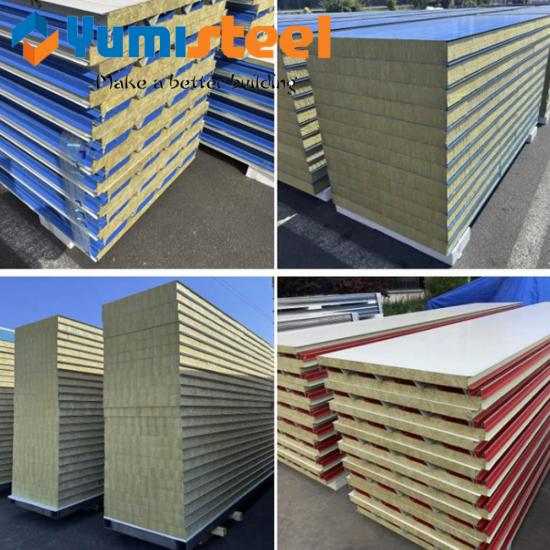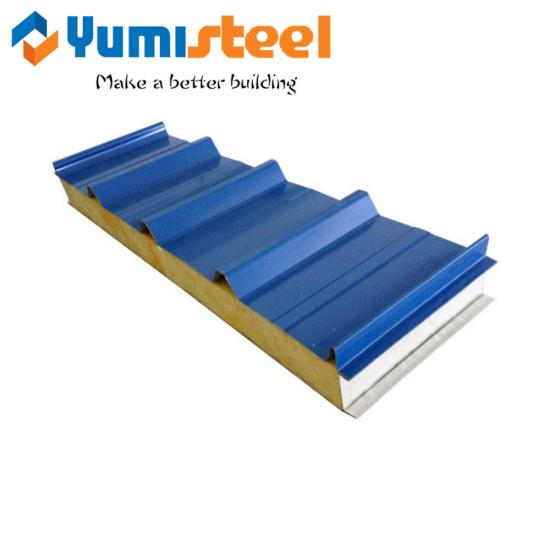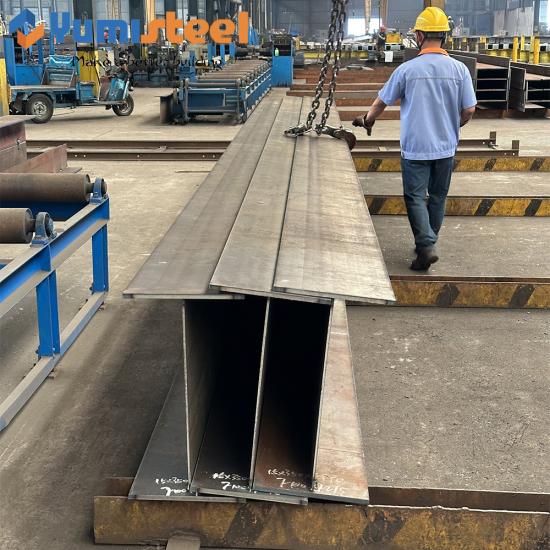

Floor decking, also known as profiled steel sheet or steel decking, is a type of metal sheet made by cold-rolling or hot-rolling galvanized steel sheets into a specific corrugated cross-section (commonly V-shaped, U-shaped, and trapezoidal), as shown in the image below. Floor decking primarily serves as a permanent formwork for poured concrete floors. After the concrete reaches its design strength, it can work together with the concrete to bear the service load, forming a "steel-concrete composite floor slab" structure.
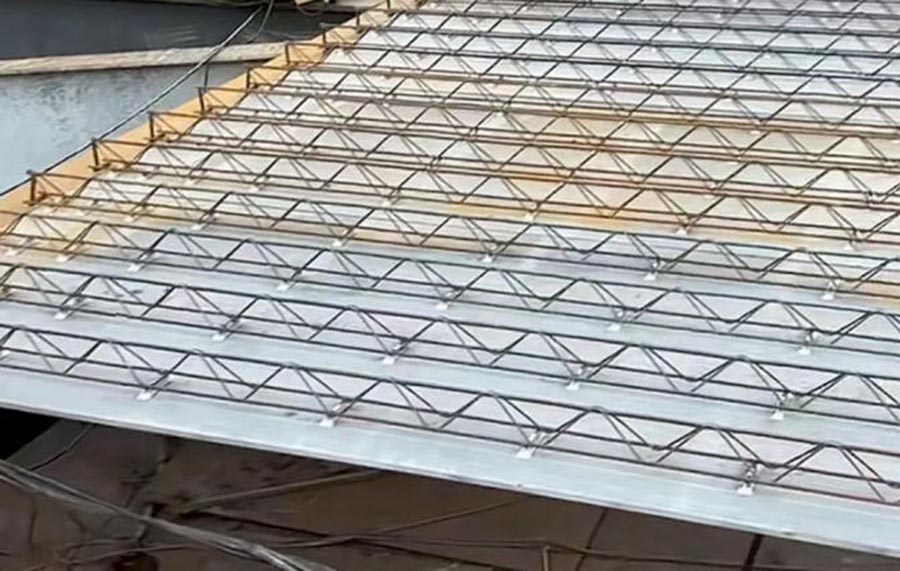 A common floor decking consists of a spatial truss structure welded together with top chord reinforcement, bottom chord reinforcement, and web reinforcement, plus a base plate and connectors. The top and bottom chord reinforcement are typically 10mm thick, the web reinforcement is 5mm steel wire, and the base plate is generally made of 0.5mm thick Q235 or Q345 galvanized steel sheet, with Q235 being the most commonly used.
 Furthermore, floor decking features hooks or tongue-and-groove designs at corners and joints. Two floor decking sheets are connected by hooks to prevent grout leakage during concrete pouring.
Comparison Table of Floor Decking VS Traditional Reinforced Concrete Floor Slab
|
Comparison Aspect |
Steel Deck Composite Slab |
Traditional Cast-in-Place Concrete Slab |
Key Advantage |
|
Construction Efficiency |
Factory prefabrication + on-site assembly. No formwork needed. Single-floor cycle time reduced by over 50%. Allows multi-floor simultaneous work |
Requires formwork → rebar placement → pouring → curing → stripping. Complex process, weather-sensitive |
30–50% shorter construction period, 60–70% less labor. Ideal for high-rise and long-span projects |
|
Structural Performance |
Concrete in compression + steel deck in tension. Maximizes material efficiency. Reduces concrete use by 20–30%. Slab self-weight reduced by 40% |
Pure concrete in compression. Heavy self-weight, higher foundation demand |
Lowers overall structural load. Reduces beam/column sizes. Improves stability. Cuts lateral displacement by 30% |
|
Space Optimization |
Slab thickness controll at 100–150mm |
Thicker at 180–250mm, reduces clear height |
Increases usable space. Improves floor-to-ceiling height efficiency |
|
Seismic Performance |
Good steel ductility. Composite system seismic resistance rating improves by 1–2 levels |
Relatively brittle |
Enhances overall seismic resistance. Especially suitable for earthquake-prone regions |
|
Environmental Sustainability |
Factory production. On-site waste reduced by 70%. Steel is recyclable |
Extensive wet work on site. High waste generation |
Meets green building standards. Lowers carbon emissions. High material recycling rate |
|
Long-Term Maintenance |
Zinc coating protects against corrosion. Good durability. Less cracking and leakage |
Prone to cracks. Requires regular maintenance |
Reduces repair costs. Extends building service life |
While steel floor decking offers numerous advantages, several common issues require attention during construction: For instance, due to the extremely thin 0.5 mm galvanized steel sheet, care must be taken to prevent edge curling and joints must be pre trimmed. To ensure seamless integration between the floor decking and the main beams, two rows of studs (commonly 19*76mm studs, specific dimensions depend on design requirements) must be welded to the main beams, secondary beams, and large steel beams. The studs are typically spaced 20 cm apart laterally and 5 cm from the edge of the steel structure. Furthermore, ceramic washers (ceramic rings) must be used during stud welding to prevent arc leakage and ensure weld quality control; MIG/MAG welding is typically employed on site.
In terms of cost, floor decking also has certain advantages.
|
Cost Component |
Steel Deck Composite Slab |
Traditional Cast-in-Place Slab |
Savings Percentage |
|
Formwork Cost |
0 (permanent formwork) |
30–40 CNY |
100% |
|
Scaffolding Cost |
Reduced by 70–80% |
25–35 CNY |
70–80% |
|
Rebar Cost |
5–8 kg/m² (truss deck) |
12–15 kg/m² |
40–60% |
|
Concrete Cost |
20–30% saved |
100–120 CNY/m³ |
20–30% |
|
Labor Cost |
Reduced by 60–70% |
40–50 CNY |
60–70% |
According to market information, reinforced concrete floor decking costs approximately 105-120 yuan/㎡; traditional cast-in-place floor slabs cost approximately 130-150 yuan/㎡. Floor decking can save approximately 20-30 yuan per square meter compared to traditional reinforced concrete floor slabs, resulting in savings of 200,000-300,000 yuan for a 10,000㎡ project.
In terms of construction time, floor decking also has certain advantages. Using floor decking can shorten the construction period by 30-50%, while also reducing management fees, machinery operating costs, and allowing for earlier commissioning and economic benefits. Due to factory production and stable quality, floor decking can reduce on-site rework rates and repair costs. Furthermore, the good durability and extended maintenance cycle of floor decking also reduce later maintenance costs to some extent.
As an innovative steel structural component, floor decking not only changes the traditional construction methods of floor slabs but also achieves a dual improvement in structural performance and economic benefits through the synergistic effect of steel-concrete composite structures. From factory prefabrication to rapid on-site installation, from reducing material consumption to lowering total lifecycle costs, floor decking is becoming the preferred flooring system for high-rise buildings, large-span buildings, industrial plants, and other building types.
For more information needed or any inquiry,please feel free to contact Yumisteel team.
years of experience



 online service
 +86-592-6095031
 manager@yumisteel.com
 Alina_Yuki
 +8613559086380+8615860744964
 English
 русский
 español
 português
 日本語
日本語