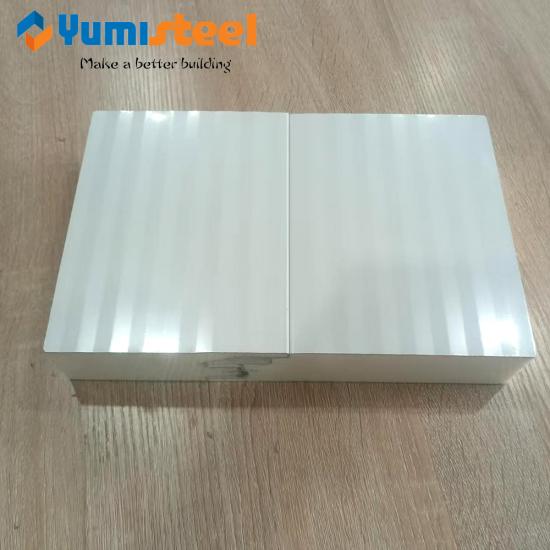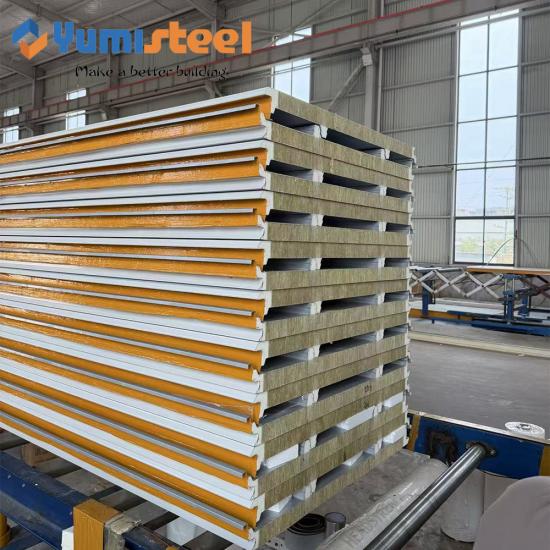

The insulation performance and fire safety of steel structure factories and cold chain warehouses depend largely on the core material inside sandwich panels. The five mainstream options are rock wool, polyurethane (PU/PIR), EPS, slag wool, and glass wool. They differ significantly in fire resistance, temperature tolerance, thermal conductivity, and smoke safety.
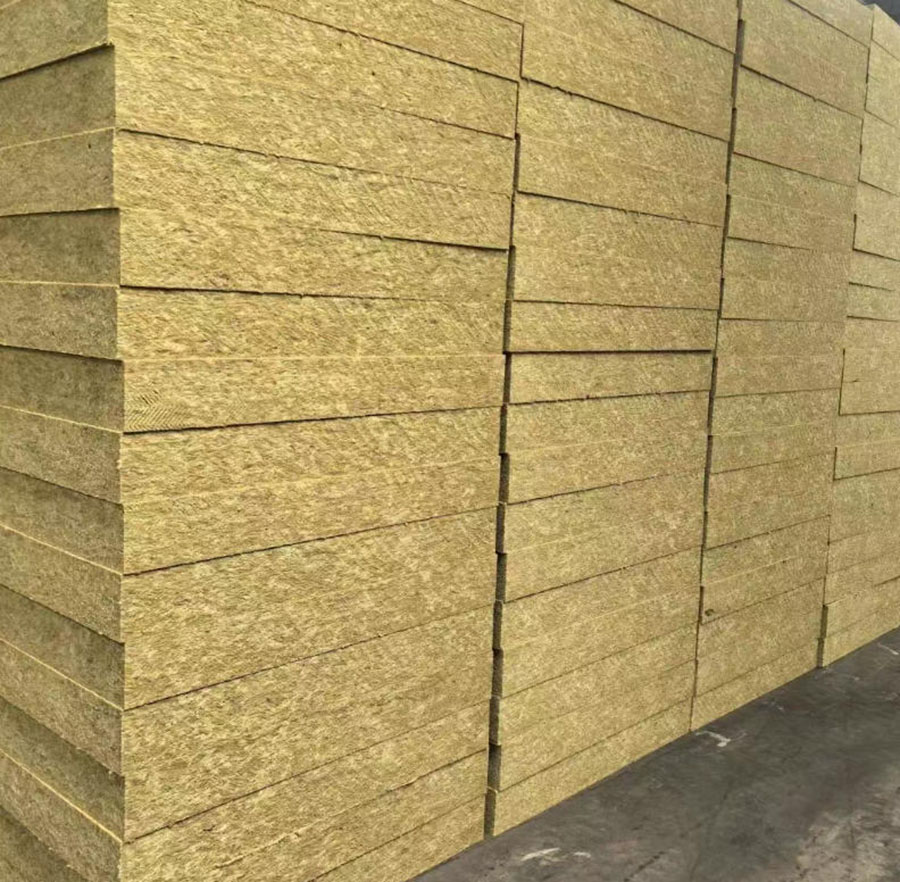
☆High-Quality Rock Wool (Class A Non-Combustible)
No toxic smoke when exposed to flames; ensures safe evacuation
Withstands up to 600℃; fire resistance 30-240 minutes
Thermal conductivity: 0.036-0.043; stable insulation
Best overall performance and versatility; ideal for most permanent industrial buildings; high acceptance rate
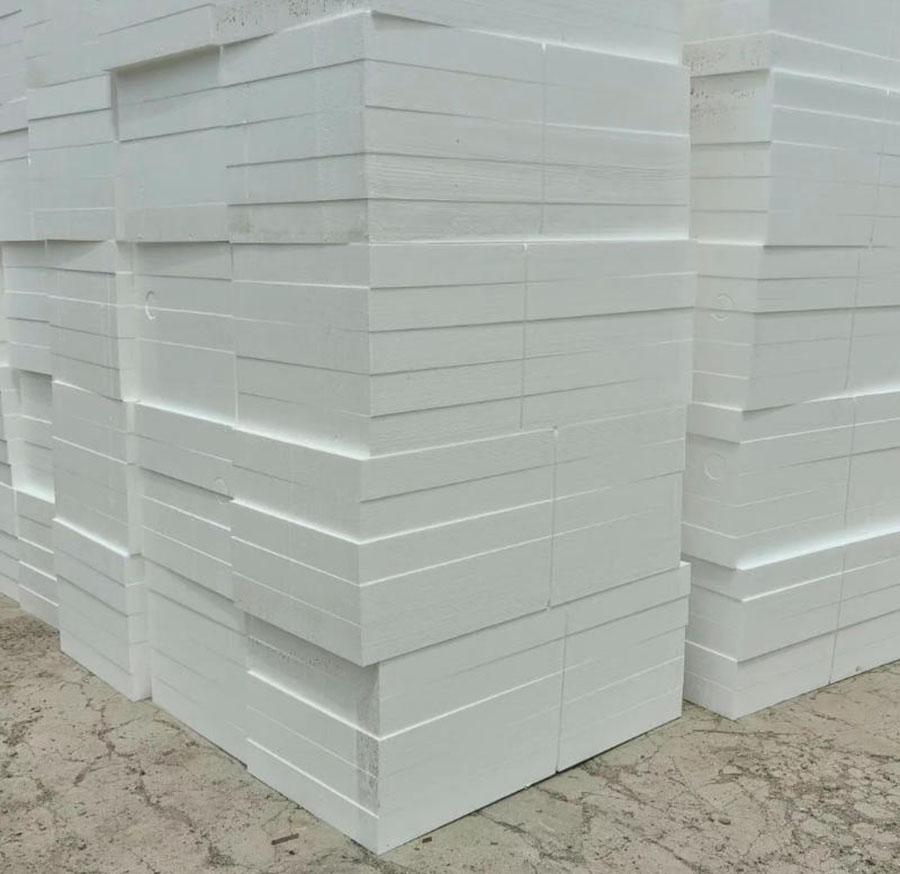
☆EPS (Class B Flammable)
Produces heavy black toxic smoke; major fire hazard
Maximum service temperature: only 85℃; prone to deformation
Thermal conductivity: 0.039-0.041; basic insulation only
Limited to temporary structures; banned from permanent buildings; frequently fails inspections
☆Polyurethane PU/PIR (Class B Flammable)
Produces black smoke when burning; withstands only 170℃
Thermal conductivity: 0.022-0.024; best insulation among all five
Preferred for cold chain buildings, but must pair with rock wool at fire partitions and evacuation routes
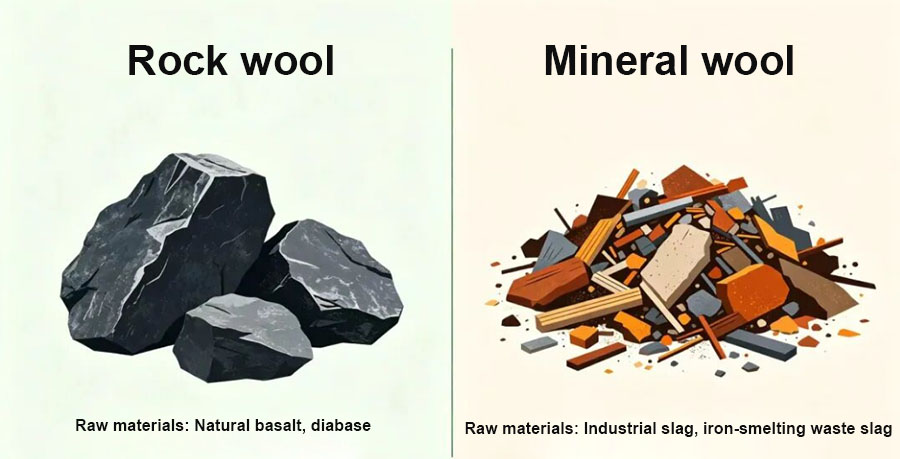
☆Slag Wool (Class A Non-Combustible)
No toxic fumes, but weaker than rock wool overall
Withstands only 300℃; fire resistance under 60 minutes
Thermal conductivity: 0.038-0.048; low insulation efficiency
Fibers tend to powder and settle over time; suitable only for low-budget, non-critical projects
☆Glass Wool (Class A Non-Combustible)
Smokeless and non-toxic; withstands 200℃; fire resistance 30-120 minutes
Thermal conductivity: 0.033-0.043
Poor moisture resistance; insulation drops sharply when wet
Rarely used in walls/roofs; mainly for duct insulation and light partitions
Selection Guidelines
Cold chain storage: use polyurethane for the main enclosure and rock wool for fire partitions
Standard factories, large warehouses, high-risk buildings: choose high-quality rock wool
Temporary sites: EPS is acceptable; avoid for permanent projects
Duct insulation: glass wool works well
Low-budget, low-heat small buildings: slag wool may be used short-term
Polyurethane leads in insulation but lacks fire safety. EPS is cheap but highly hazardous. Slag wool and glass wool have durability and application limits. High-quality rock wool delivers the best balance of fire safety, heat resistance, and long-term insulation, making it the most versatile choice. Material selection must consider fire codes, operating temperatures, and project lifespan,not just insulation efficiency or cost. This approach prevents inspection issues and long-term safety risks.
For more information needed or any inquiry,please feel free to contact Yumisteel team.
years of experience



 online service
 +86-592-6095031
 manager@yumisteel.com
 Alina_Yuki
 +8613559086380+8615860744964
 English
 русский
 español
 português
 日本語
日本語