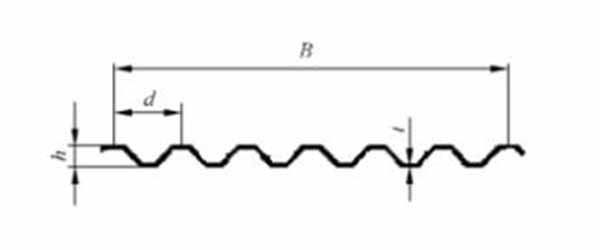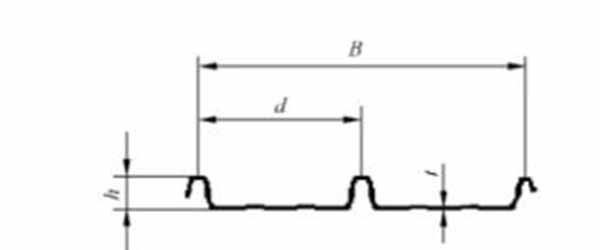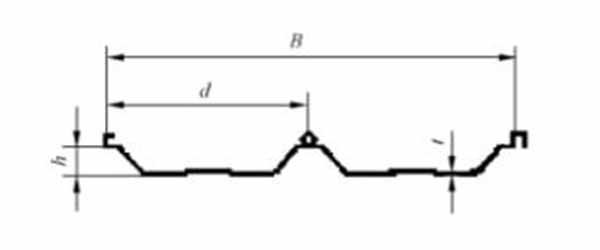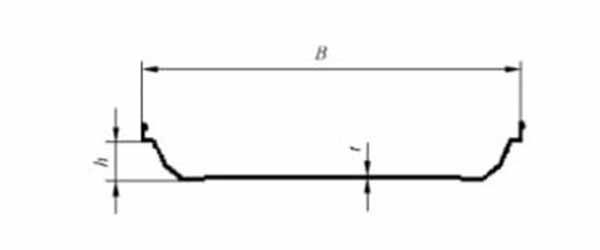
I. Roof panel types (overlapping, interlocking, snap-fit)
b—plate width; bd—wave pitch; h—wave height; t—plate thickness.
|
|
|
|
Overlapping roof panel |
Interlocking roof panel |
|
|
|
|
180° interlocking roof panel |
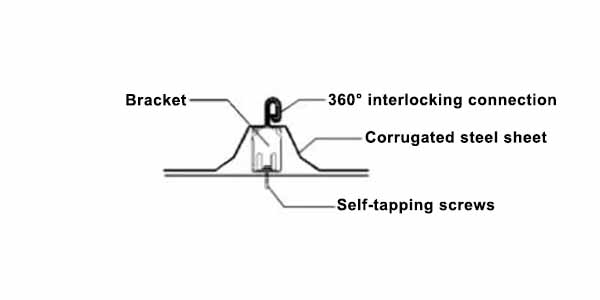
360° interlocking roof panel |
II. Typical connection structures: (self-tapping screws, interlocking type, snap-fit type)
|
|
|
|
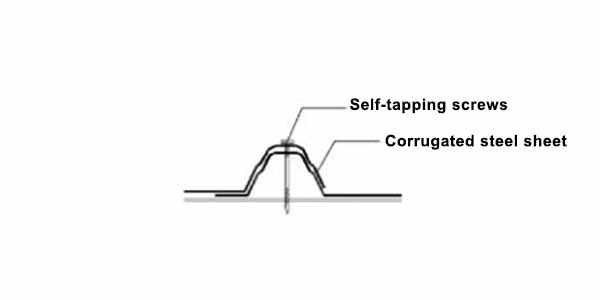
Overlapping roof panel connection structure (with waterproof cavity, exposed fasteners) |
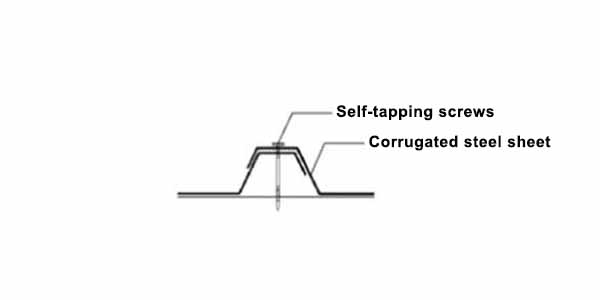
Overlapping wall connection structure one (exposed fasteners) |
|
|
|
|
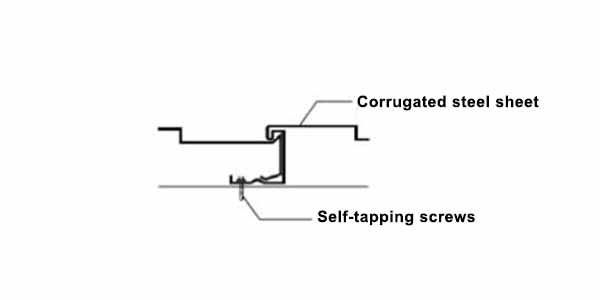
Overlapping wall connection structure two (concealed fasteners) |
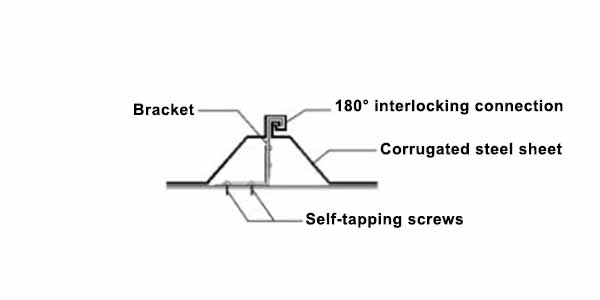
180° interlocking roof panel connection structure one (180° interlocking) |
|
|
|
|
180° interlocking roof panel connection structure two (360° interlocking) |
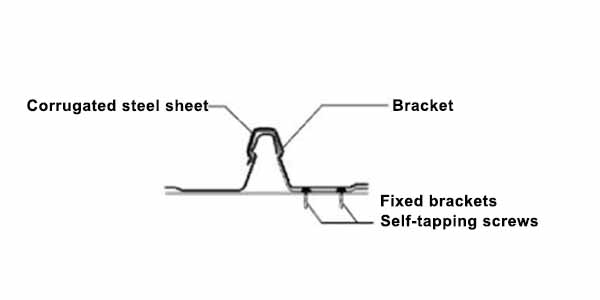
Interlocking roof panel connection structure |
III. Applicable Conditions
(1) For roofing profiled steel sheets, interlocking or snap-fit sheets with concealed fasteners are preferred. When using overlapping sheets with exposed fasteners, the edge shape of the overlapping sheet should form a waterproof cavity structure.
(2) Vertical wall panels should use overlapping sheets with exposed fasteners; horizontal wall panels should use overlapping sheets with concealed fasteners.
IV. Types of Color Steel Sheet Substrates
(1) The nominal thickness of the profiled steel sheet substrate for walls should not be less than 0.5mm, the nominal thickness of the profiled steel sheet substrate for roofs should not be less than 0.6mm, and the nominal thickness of the profiled steel sheet substrate for floors should not be less than 0.8mm.
(2) Color-coated steel sheets for construction typically use hot-dip galvanized substrates and hot-dip aluminum-zinc alloy substrates, both of which have good corrosion resistance.
|
Substrate type |
Hot-dip galvanized substrate |
Z |
|
Hot-dip galvanized iron alloy substrate |
ZF |
|
|
Hot-dip aluminized zinc alloy substrate |
AZ |
|
|
Hot-dip galvanized aluminum alloy substrate |
ZA |
|
|
Hot-dip aluminized silicon alloy substrate |
AS |
|
|
Hot-dip galvanized aluminum magnesium alloy substrate |
ZM |
|
|
Electro-galvanized substrate |
ZE |
V. Color Steel Sheet Coating
The following four types of topcoat are used.
(1) Polyester: Moderate durability, good hardness and flexibility, moderate price. (>5 years)
(2) Silicon-modified polyester: Improved durability, gloss, and color retention, but reduced toughness. (>10 years)
(3) High-durability polyester: Combines the advantages of polyester with improved durability, high cost-performance ratio. (>15 years)
(4) Polyvinylidene fluoride (PVDF): Excellent durability and good toughness, but relatively low hardness and high price. (>20 years)
Primers can be epoxy, polyester, or polyurethane. Polyurethane has better overall performance.
|
Topcoat Types |
Polyester |
PE |
|
Silicone-modified polyester |
SMP |
|
|
High-durability polyester |
HDP |
|
|
Polyvinylidene fluoride |
PVDF |
For more information needed or any inquiry,please feel free to contact Yumisteel team.
years of experience



 online service
 +86-592-6095031
 manager@yumisteel.com
 Alina_Yuki
 +8613559086380+8615860744964
 English
 русский
 español
 português
 日本語
日本語